Last updated November 18, 2026
ADU Warning Signs: A Sunrise Manor Homeowner’s Reference Guide
A stucco crack thinner than a credit card is cosmetic in a humid climate. In Sunrise Manor, where daily temperature swings can top 35°F and the UV index regularly hits 11, that same hairline can be the first sign of a failed control joint. The repair cost difference between catching it in year one and discovering it in year three is real money. This guide shows you how to read the quiet signals a desert-built ADU sends before they turn into expensive repairs: stucco, binding doors, utility bills, monsoon stains, and how to document all of it so a warranty claim is simple instead of contested. We’ve watched Sunrise Manor homeowners miss these signs and pay for it twice.
Quick Answer
Most ADU problems in Sunrise Manor show up quietly first: a hairline stucco crack, a door that starts sticking in June, a utility bill creeping $40 higher, or a faint ceiling stain after monsoon season. Read these early signals against desert construction patterns and you catch small repairs before they become slab, wiring, or water-intrusion problems. The trick is knowing what to measure, where to look, and when to call a professional.
Table of Contents
- Cosmetic Crazing vs. Structural Cracking
- Door and Window Binding: Slab Shift or Seasonal Wood Movement?
- Electrical Warning Signs That Hit Your Bill Before Your Breaker
- Roof-to-Wall Flashing Failures After Monsoon Season
- What a 365-Day Workmanship Promise Should Cover
- How to Document a Warning Sign Properly
- Common Mistakes to Avoid
Cosmetic Crazing vs. Structural Cracking in Desert-Built ADUs
Not every crack matters. In Sunrise Manor, three-sided stucco that bakes all afternoon will develop fine, shallow spiderwebbing – that’s the finish coat relaxing under heat, and it’s harmless. The cracks that deserve attention share specific traits. Measure them, note the direction, and look at where they start and stop.
Cosmetic crazing:
- Thinner than a dime, hairline, in a random web pattern with no clear direction.
- Doesn’t grow much from season to season once it appears.
- Stays on the surface; you can’t slip a fingernail into it.
Structural warning signs:
- Wider than a credit card edge (roughly 1/16 inch) and getting wider.
- Runs horizontally or vertically – an obvious line, not a web.
- Follows a diagonal that points toward a corner of a door or window opening.
- Appears at a control joint and crosses it, or the joint itself has opened up.
Control joints are the weakest link here. They’re cut deliberately so stucco can move without cracking elsewhere, and in Sunrise Manor’s temperature swings they work hard. A crack that tracks exactly along a control joint and then runs past it usually means the joint wasn’t placed or spaced correctly – a build-quality issue, not normal weathering. That’s the kind of finding a 365-day promise should address.
Door and Window Binding: Slab Shift or Seasonal Wood Movement?
A door that drags on the floor in late June is one of the most common calls we get, and it means two very different things depending on the pattern. Low desert humidity moves wood seasonally – frames dry out, shrink, and let doors swing a little looser in the shoulder months. Slab movement is different, and the pattern gives it away.
Seasonal wood movement looks like this:
- Binding appears in the dry, hot months and eases in the cooler, moister ones.
- The door still closes; you just feel friction at one edge or a corner.
- Window sashes rub lightly but still slide or crank.
Slab shift looks like this:
- The binding doesn’t go away with the seasons – it stays or worsens.
- Doors bind at the top and the bottom at the same time, or one corner drops.
- Windows stick in one frame but slide easily in the one next to it.
- Hairline cracks appear in the drywall at the corners of door frames.
In Sunrise Manor, expansive clay soils swell and shrink with irrigation and dry spells, and a thinly poured or poorly prepared slab will move when the ground beneath it does. When we see the second pattern, we check the slab edge for separation and look at the floor for a visible slope. That’s not a door problem – it’s a foundation conversation, and the sooner it’s had, the cheaper it stays.
Electrical Warning Signs That Hit Your Bill Before Your Breaker
A small ADU has a small electrical load, which makes anomalies easier to spot – if you know where to look. A 15% month-over-month jump in usage on a 500 to 900 square foot unit, with no change in habits, is worth a look before it’s worth a guess. Breakers trip when something is badly wrong. Bills creep when something is quietly wrong.
Here’s the sequence to check, in order:
- Compare the bill to the same month last year. Seasonally adjusted, a consistent creep points to something running more than it should.
- Look for warm outlets and switches. A wall plate that feels warmer than the ones around it, especially after heavy use, deserves a closer look. Don’t open the panel – call someone.
- Watch the lights. Flickering in one circuit that isn’t tied to a specific appliance often points to a loose connection.
- Listen for the mini-split. A unit running longer than usual in mild weather may be low on refrigerant or short-cycling – that shows up as extra kilowatt-hours before it shows up as a repair.
- Note anything that hums or buzzes. Buzzing outlets, switches, or panel components are a stop-touching-it signal.
Electrical work behind the walls is genuinely dangerous, and we don’t hand anyone a screwdriver and a plan. What we do recommend is walking the unit once a month with a checklist – warm plates, flickering, hums, and the bill – so the pattern is documented before a professional looks at it.
Roof-to-Wall Flashing Failures After Monsoon Season
Monsoon rain doesn’t fall, it arrives – sideways, in sheets, driven by wind in a way that finds every gap. The ceiling stain that shows up in August usually started as a pinhole back in the spring. What matters is the pattern.
A small, round stain in the middle of a ceiling typically points up at a missing or cracked vent or a screw penetration, and it’s the simplest to trace. A streak along a wall-to-ceiling seam is more telling: water is coming down the inside of the wall, and the source is at the roof-to-wall intersection. That’s flashing country. Flashing is the metal that turns water away where the roof meets a vertical wall, and in Sunrise Manor it takes a beating from sun, thermal movement, and the grit turned loose by wind.
Look for the signs in this order:
- Find where the ceiling stain begins and where it ends. Follow it up to a wall or a seam.
- Inspect that spot on the roof for lifted, rusted, or separated flashing – watch for the caulk that’s cracked and pulled away. Caulk is a sign the flashing has already failed under it.
- Check the wall below the stain for bubbled paint or a soft spot, which means water has been traveling for a while.
If you can see discoloration on the ceiling, the leak has been active for at least one weather cycle. In our experience, the difference between a flashing repair and drywall, insulation, and finish work is exactly the amount of time between the first stain and the first call.
What a 365-Day Workmanship Promise Should Cover
A workmanship promise is only as good as its scope. Before you sign anything, read what happens when something goes wrong – because that’s where promises get tested. At Seedling ADU Builders, every ADU, garage conversion, and home addition is covered by the 365-Day Done Right Promise: if it’s not done right, we make it right. The specific list below is what you should expect from any written workmanship promise, so you can compare.
A solid 365-day promise covers:
- Installation defects: water intrusion at flashing or penetrations, seams, and joints tied directly to how the work was done.
- Materials workmanship: failing caulk lines, improperly set fixtures, wiring connections made by the installing crew.
- Finishes: cracked drywall at corners that isn’t tied to slab movement, popped tiles, paint failures on a properly prepped wall.
- A clear process: how you report the issue, who inspects it, and a stated window for the fix.
What it usually doesn’t cover: slab movement from soil conditions, damage from neglect, and normal weathering – so it pays to know the difference before you call.
The promise is strongest when everyone is working from the same evidence. That’s why documentation matters so much. It turns “something’s wrong” into “here’s what changed and when,” and that keeps a claim simple instead of a debate.
How to Document a Warning Sign Properly
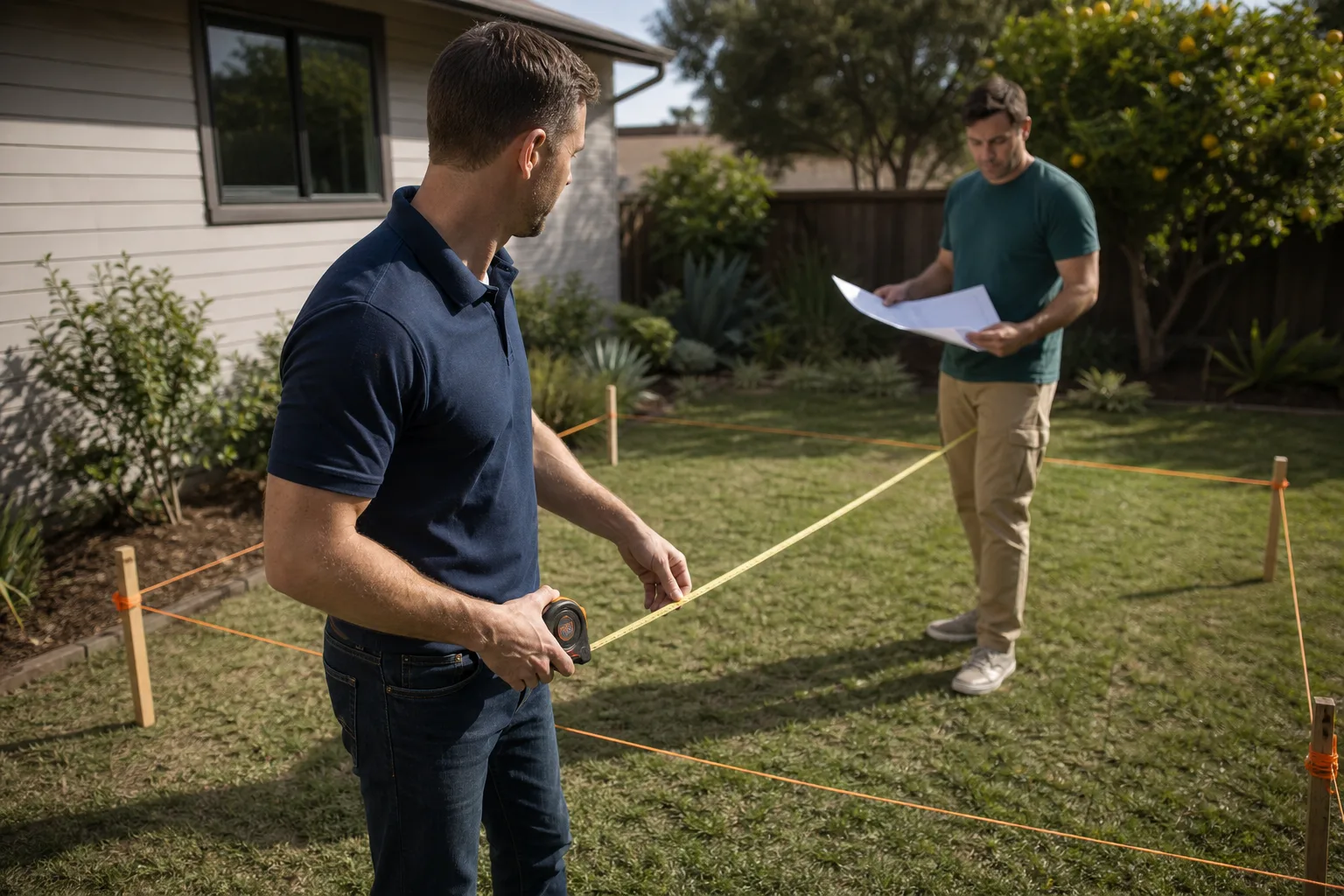
Proper documentation is the difference between a warranty claim that takes one conversation and one that takes a month of back-and-forth. The good news: it takes about two minutes, and every smartphone can do it. Here’s the routine we recommend to every Sunrise Manor homeowner after move-in.
- Photograph the sign with a reference in frame. A coin, a credit card, or a ruler next to a stucco crack gives the photo scale. A tape measure next to a door gap does the same.
- Write the date and the weather. “June 14, 108°F, dry” tells a story that a photo alone can’t.
- Take a wide shot and a close shot. The wide shot tells a professional where on the building to look; the close shot tells them what they’re looking at.
- Mark growth. For a crack, pencil a small line at each end and date it. Check monthly and re-date. Growth is the data that matters.
- Keep a running note. One page or one phone note: what you saw, when, and what you did. A utility bill screenshot belongs here too.
- Report within the promise window, in writing. Email or text creates a record of when the claim started, and that record protects you.
If you’re still in the planning stage rather than the warranty stage, the same discipline pays off. Ask any builder for their process in writing, and hold them to it. The best time to learn what a builder will do when something fails is before they build your new home on your lot – not after.
Common Mistakes to Avoid
- Sealing a stucco crack before diagnosing it. Caulk over a joint that’s still moving hides the signal and traps moisture. Find out why it cracked first.
- Writing off every sticking door as “just the heat.” Seasonal binding in Sunrise Manor is normal; binding that worsens year to year is not, and the pattern is easy to track if you note it.
- Waiting for a breaker to trip before calling about an electrical concern. A warm outlet or a creeping bill is an early warning, and the cheapest time to act on it. Don’t open the panel yourself.
- Painting over a monsoon ceiling stain without finding the source. The paint will fail, and you’ll have lost a year of warranty time. Trace the stain before you touch it.
- Skipping photos because “it’s small.” Small, dated, and photographed is exactly what a warranty claim needs. Undocumented is what makes claims contested.
- Calling the same contractor who did the work without reading the warranty process first. Know what your promise covers, and report in writing so the clock starts.
- Assuming a cosmetic fix is what you’re being offered. Ask whether the proposed repair addresses the cause. A patch that doesn’t is a patch that comes back.
When to Call a Professional
Some signs are watchful-waiting material. Others aren’t. Call a professional when a stucco crack is wider than a credit card edge or crosses a control joint; when doors and windows bind together and don’t loosen with the season; when an outlet, switch, or panel hums, buzzes, or runs warm; when a ceiling stain appears after monsoon rain, even a small one; and when a warning sign grows between your monthly checks. For anything electrical or structural, a trained professional should make the call – these are not jobs to learn on. Seedling ADU Builders Sunrise Manor offers free estimates in Sunrise Manor – call (888) 419-5282 to schedule one. Our technicians have up to 25 years of experience, and you’ll get a written price before any work starts.
Frequently Asked Questions
Normal cracking is hairline, thinner than a dime, in a random web pattern, and doesn’t grow; structural cracking is wider than a credit card edge, runs in a clear line, tracks toward a corner or crosses a control joint, and gets bigger between checks. Measure and photograph yours monthly so growth is visible. If it meets the structural description, call (888) 419-5282 for a free estimate – the sooner it’s seen, the cheaper it usually stays.
That seasonal pattern is usually normal wood movement from desert humidity swings – frames dry out and shrink when the air is hot and dry, then relax in the cooler months. Binding that never eases, or that hits the top and bottom at the same time, points instead at slab movement. Track it for a full year; if the pattern is structural, get it looked at. Free estimates are available at (888) 419-5282.
Yes, if your habits haven’t changed and the jump holds for a full billing cycle. In a small ADU, a 15% month-over-month increase often points to a mini-split running longer than it should, a failing connection, or an appliance working harder than usual. Don’t open the panel yourself – document the bill, check for warm outlets, and call an electrician. Call (888) 419-5282 for a free estimate on any repairs.
It means water is getting in, and it has been for at least one weather cycle. A round stain in the middle of the ceiling usually points to a vent or penetration above; a streak along a wall-to-ceiling seam points to the roof-to-wall flashing, the intersection that takes the most wind-driven rain in Sunrise Manor. Don’t paint over it. Call (888) 419-5282 for a free estimate – fixing flashing is a much smaller job than fixing drywall and insulation after a year of leaks.
It should cover installation defects and workmanship tied to how the crew did the job: water intrusion at flashing, failing caulk lines, improperly set fixtures, wiring connections made by the installer, and finish failures on properly prepped surfaces. It typically doesn’t cover slab movement from soil conditions, neglect, or normal weathering. Seedling ADU Builders backs every ADU, garage conversion, and home addition with the 365-Day Done Right Promise – if it’s not done right, we make it right. Call (888) 419-5282 with any warranty question.
Photograph it with a scale reference (a coin or credit card works), note the date and weather, take one wide and one close shot, pencil-mark any crack ends and re-date them monthly, and report in writing within the promise window. A dated record turns a claim into one conversation. If you’re preparing to build and want to know what a promise covers before work starts, call (888) 419-5282 for a free estimate and a written price.
The Bottom Line
ADU problems in Sunrise Manor announce themselves quietly – a hairline at a control joint, a door that binds when it shouldn’t, a bill that creeps, a post-monsoon stain. None of them are emergencies on day one. All of them are expensive by year three. Measure your cracks, track your doors through a full season, compare utility bills year over year, trace stains up to the flashing, and document everything with dates and photos. That routine is what keeps a warranty claim simple and a repair small. Whether you’re troubleshooting an existing unit or planning a Seedling ADU Builders Sunrise Manor home, we’re here to help you read the signs early. Our work with ADU Builders in Sunrise Manor, Garage Conversion Contractor in Sunrise Manor services, and Home Addition Contractor in Sunrise Manor projects is backed by a written price before any work starts and the 365-Day Done Right Promise on every job.
Contact
Call (888) 419-5282 for a free estimate. Whether you’re chasing a stucco crack, a sticking door, a creeping utility bill, or a ceiling stain after monsoon season, we’ll look at the evidence with you, explain what we see in plain language, and give you a written price before any work begins. A live person answers the phone, and the estimate costs nothing.
Written by the team at Seedling ADU Builders Sunrise Manor.